

Reaching out to business owners directly can help you find acquisition opportunities that aren’t publicly listed. This approach reduces competition and allows for tailored proposals by building trust and personal connections. Here’s how to do it:
-
Prepare Thoroughly: Research the business, its industry, and the owner’s potential concerns (e.g., legacy, employee well-being).
-
Find Targets: Use industry directories, outreach software, local networks, or LinkedIn to identify businesses and owners.
-
Craft Personalized Messages: Highlight your value, reference specific achievements, and show how the acquisition aligns with their goals.
-
Choose the Right Channels: Start with email or LinkedIn, then follow up with phone calls or meetings.
-
Follow Up Strategically: Stay consistent but respectful of their time, using CRM tools to track interactions.
-
Maintain Professionalism: Protect confidentiality, be transparent, and show genuine interest in their business.
This method requires preparation, ethical practices, and consistent communication to build trust and successfully negotiate acquisitions.
Most Important Factors to Know When Buying a Business: Contacting the Owner
Getting Ready for Outreach
Before reaching out to business owners, it's crucial to prepare thoroughly. This preparation not only boosts your confidence but also shows owners that you genuinely understand and care about their businesses.
Finding Target Businesses
Identifying potential acquisition targets involves using a mix of resources and strategies. Industry directories are a great place to start, offering detailed lists of businesses that meet your criteria. Professional networks, like accountants or lawyers, can also connect you with owners who may be open to selling.
Here are some useful resources:
| Resource Type | What It Offers |
|---|---|
| Industry Directories & Business Buyers Platforms | Detailed listings and tools for acquisitions |
| Local Networks | Insights into off-the-market opportunities |
| Industry Conferences | Opportunities to meet owners directly |
Understanding the Business Owner's Perspective
Business owners often have deep emotional connections to their companies, which can influence their decisions. Recognizing these emotions and concerns helps you build trust and align your approach with their priorities.
Consider these common concerns:
-
Emotional ties to the business
-
Worries about employee well-being after the sale
-
Interest in preserving the company’s legacy
-
The need for confidentiality during discussions
Collecting Key Information
Before reaching out, research the company’s industry, financial health, challenges, and competitive position. This allows you to tailor your approach and demonstrate that you’ve done your homework.
Focus on these areas:
-
Industry trends and the company’s market position
-
Business size and financial performance metrics
-
Potential challenges and growth opportunities
-
The competitive landscape
Once you’ve gathered all the necessary information, you’ll be ready to craft personalized outreach messages that resonate with business owners.
Creating Effective Outreach Messages
Crafting outreach messages that connect with business owners is a key step in the acquisition process. Here's how to make your messages stand out.
Explaining Your Value Proposition
Be clear about why you're reaching out and how the acquisition could be mutually beneficial. Highlight points like:
-
Your expertise in the industry and how it aligns with their business.
-
Opportunities to bring in additional resources or support.
-
Smooth transition plans that respect their company’s values and encourage growth.
Tailoring Your Communication
Use the insights you’ve gathered to make your outreach feel personal and relevant. Reference details such as:
-
Notable achievements or key milestones they’ve reached.
-
Recent updates, like company expansions or new initiatives.
-
Challenges or opportunities within their industry that you can address.
Organizing the Message
A well-structured message helps ensure clarity and impact. Consider this framework:
-
Introduction: Start with a brief introduction about yourself and your company.
-
Value Statement: Share your approach and philosophy. For example:
"Our acquisition strategy focuses on preserving the core values and culture of the businesses we acquire, while providing resources for continued growth." [1]
-
Proof: Include examples, case studies, or data to back up your credibility.
-
Call to Action: End with a clear next step, like suggesting a call or meeting.
After crafting your message, choose the right communication channel to ensure it reaches the business owner effectively.
Selecting the Best Communication Channels
Picking the right way to communicate is key when reaching out to business owners about acquisitions. Each method has its own benefits that can influence your success.
1. Email vs. Phone Calls
Email and phone calls play different roles in outreach. Here's a quick comparison:
| Communication Method | Benefits | Ideal For |
|---|---|---|
| • Provides a written record • Encourages thoughtful replies • Less intrusive |
• Initial outreach • Sending formal documents • Following up on previous discussions |
|
| Phone Calls | • Instant feedback • Builds personal rapport • Allows real-time problem-solving |
• Strengthening relationships • Handling detailed topics • Addressing urgent matters |
For emails, aim for clear, professional, and concise messaging. On calls, focus on creating a connection and being prepared for in-depth conversations.
2. Networking Events and Social Media
Email and phone calls are essential, but networking events and platforms like LinkedIn can help you establish connections before formal outreach.
LinkedIn Tips:
-
Interact with the owner's posts and share thoughtful comments to build familiarity.
-
Join industry-specific groups to widen your network.
-
Demonstrate your expertise through regular, professional activity.
-
Research attendees beforehand and prepare a brief, compelling introduction.
-
Focus on building genuine relationships during the event and follow up promptly afterward.
LinkedIn helps you establish credibility over time, even without face-to-face meetings. By combining online and in-person networking, you can create a balanced and effective approach to reaching business owners.
A successful outreach strategy often involves using multiple channels. Start with less direct methods, like email or LinkedIn, and move to more personal interactions, such as phone calls or in-person meetings, as the relationship develops. Tools like CRMs can help you stay organized, track responses, and maintain steady communication across all platforms.
sbb-itb-cce425d
Following Up and Building Relationships
Following up strategically and maintaining steady communication are key to building strong connections with business owners. The challenge lies in staying engaged without overstepping boundaries or taking up too much of their time.
Timing and Frequency of Follow-Ups
When it comes to follow-ups, timing is everything. A clear schedule ensures you stay on track without overwhelming the business owner:
| Initial Response | First Follow-up | Subsequent Follow-ups | Communication Method |
|---|---|---|---|
| Positive Interest | 3-5 days | Every 1-2 weeks | Mix of email and calls |
| Neutral Response | 7-10 days | Every 2-3 weeks | Primarily email |
| Minimal Response | 2 weeks | Monthly | Brief check-ins or updates via email |
Each follow-up should bring something new to the table. For instance, if the owner voiced concerns about their company’s future, share specific insights or suggestions tailored to their situation.
Watch for engagement cues. If meetings get postponed repeatedly or replies are short, it might be time to rethink your approach or scale back your outreach.
Using CRM Tools for Lead Management
CRM tools can make the follow-up process smoother and more organized, ensuring no opportunities slip through the cracks. Look for features like:
-
Interaction Tracking: Log every conversation and set automated reminders for follow-ups.
-
Email Integration: Keep track of email history and schedule future messages.
-
Custom Fields: Add details like revenue, team size, or owner preferences for better personalization.
-
Performance Metrics: Measure response rates, time to meaningful conversations, and success across communication channels.
Platforms like Success.ai allow you to build customized acquisition workflows. However, while technology is helpful, successful relationships still rely on genuine interest and thoughtful communication. A personal touch goes a long way in showing that you care about the business owner's goals.
With a clear follow-up strategy and the right tools, you can maintain trust and professionalism throughout the entire acquisition process.
Ethical Practices and Professionalism
When working with business owners, sticking to ethical practices and maintaining professionalism is crucial for building trust and moving conversations forward.
1. Protecting Confidentiality
Leaking sensitive information can harm deals and damage reputations. To avoid this, take steps like signing NDAs early, using secure data-sharing platforms, and limiting access to only key team members. Keep discussions private to prevent unnecessary speculation and ensure confidentiality.
2. Practicing Respect and Transparency
Being open and respectful helps build trust and shows you value the owner's time and effort. Here’s how to approach it:
-
Be clear about your goals: Share your acquisition plans and timeline from the start. This allows business owners to decide if they want to move forward with discussions.
-
Show genuine interest: Do your homework. Understand their market position, growth trends, and how your goals align. This makes your conversations more productive.
-
Communicate professionally: Use clear and respectful language, respond promptly, honor your commitments, and stay transparent throughout the process.
Even when using online tools like Business Buyers, maintain the same level of professionalism as you would in person. This consistency helps you stand out as a credible and serious buyer.
Resources for Business Buyers
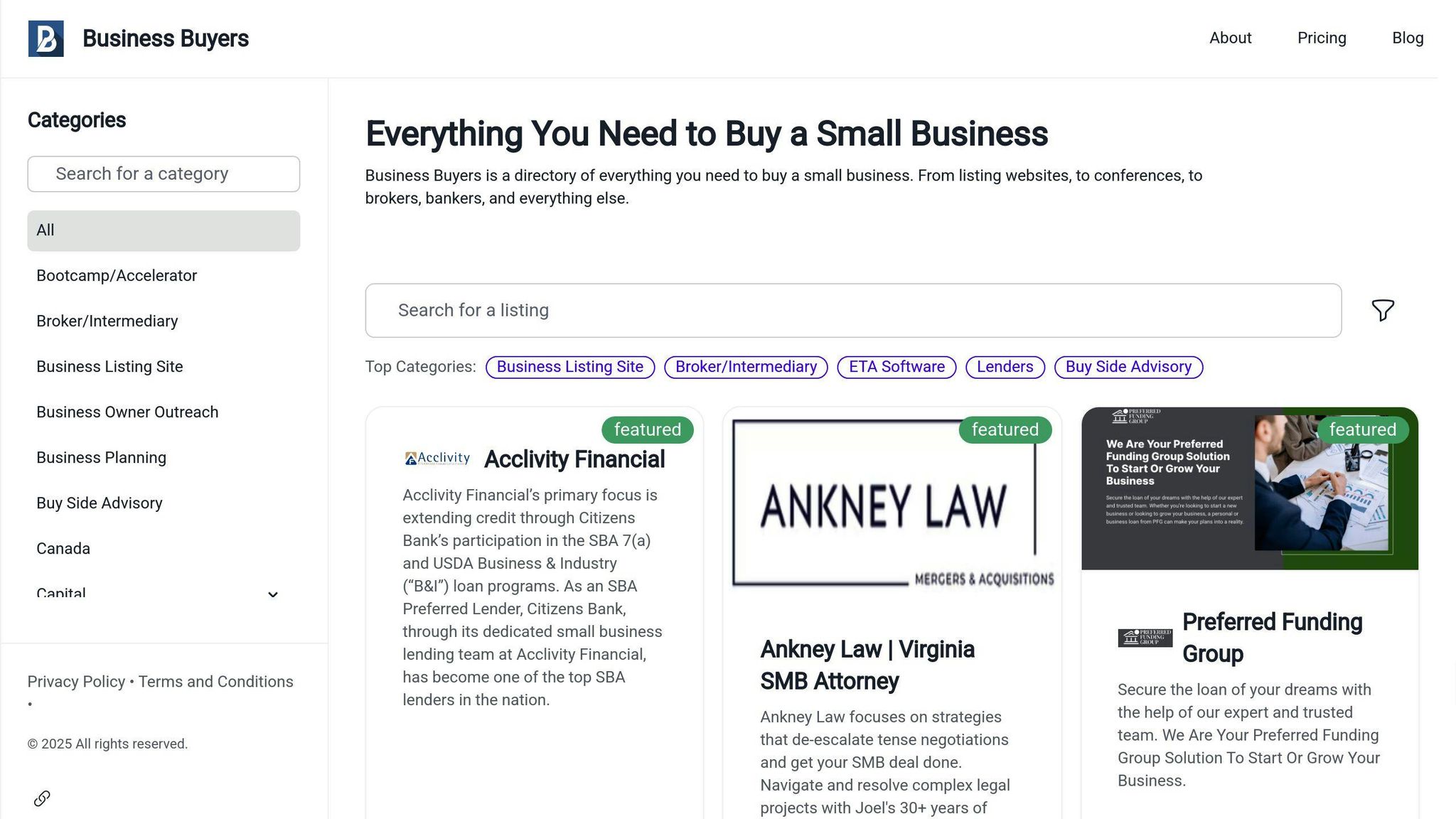
Connecting with business owners and finding the right opportunities requires effective tools to make the acquisition process smoother. The right resources can help you improve outreach efforts and close deals successfully.
1. Using Business Buyers
Business Buyers offers a platform designed to simplify the acquisition process. It provides tools and resources across three main areas:
Directory and Networking
Business Buyers features a curated directory of listings, industry events, and key contacts like brokers and bankers. This makes it easier to locate qualified acquisition opportunities while expanding your professional network. The platform also highlights relevant events, allowing you to meet sellers in person and establish genuine connections.
Professional Tools
When you’re ready to move beyond initial introductions, Business Buyers provides essential tools, including:
-
Templates for financial modeling to evaluate businesses
-
Checklists to guide due diligence and ensure thorough assessments
-
Secure channels for sharing confidential information
Since selling a business is often a one-time event for many owners, these tools help buyers approach the process with care and professionalism.
| Resource Type | Purpose | Benefits |
|---|---|---|
| Directory Services | Identify acquisition targets | Access verified listings and contacts |
| Due Diligence Tools | Assess business opportunities | Perform structured evaluations |
| Networking Resources | Build relationships | Connect directly with sellers |
These resources cover every stage of the acquisition process - from identifying opportunities to conducting detailed evaluations - helping you focus on creating meaningful relationships with business owners while maintaining a professional approach.
Conclusion: Main Points for Successful Outreach
Effective outreach relies on solid preparation, personalized communication, and maintaining ethical standards throughout the process. These elements work together to create meaningful connections and drive successful acquisitions.
Choosing the right communication channel is key. Email allows for detailed and professional exchanges, with an average open rate of 20%, while phone calls often foster more personal connections. The best approach is to align the channel with the message and the recipient's preferences.
| Strategy | Outcome |
|---|---|
| Preparation & Personalization | Leads to informed and impactful discussions |
| Follow-up Strategy | Ensures sustained engagement |
| Professional Conduct | Builds trust and credibility |
Preparation, including market research and financial analysis, is the foundation of successful outreach. Upholding confidentiality and transparency fosters trust and strengthens credibility. Tools like Business Buyers can help streamline the process, offering structured methods to identify, evaluate, and connect with business owners.
"Clear strategies and the right tools are essential for managing business communication effectively."
Selling a business is often a once-in-a-lifetime experience for owners, so sensitivity and professionalism are crucial. By combining detailed preparation, tailored communication, and ethical practices, buyers can uncover new opportunities and build strong, lasting relationships with business owners.


 Bookyourdata | Verified Business Email Marketing Database
 Argosy Capital - Home

 Kumo | The leading Deal Sourcing Platform
 Foundy | Sell Your Business For The Highest Exit Valuation
 Texas ACG Capital Connection

 Ted Leverette-The Business Buyer Advocate

 Streak - CRM for Gmail
 Business Brokers of Florida
 Borderline
 OneDeal

 Pipedrive

 CCR-DFW

 Red Forest Capital - A Family Office Focused on Search Fund Investing for Over 35 Years

 Exit Engine

 The Magnolia Firm
 Apex Business Advisors
 Transferslot

 Calder Associates
 Balance Point Capital
 Cadence Advisory

 Bison Business
 California Business Brokers
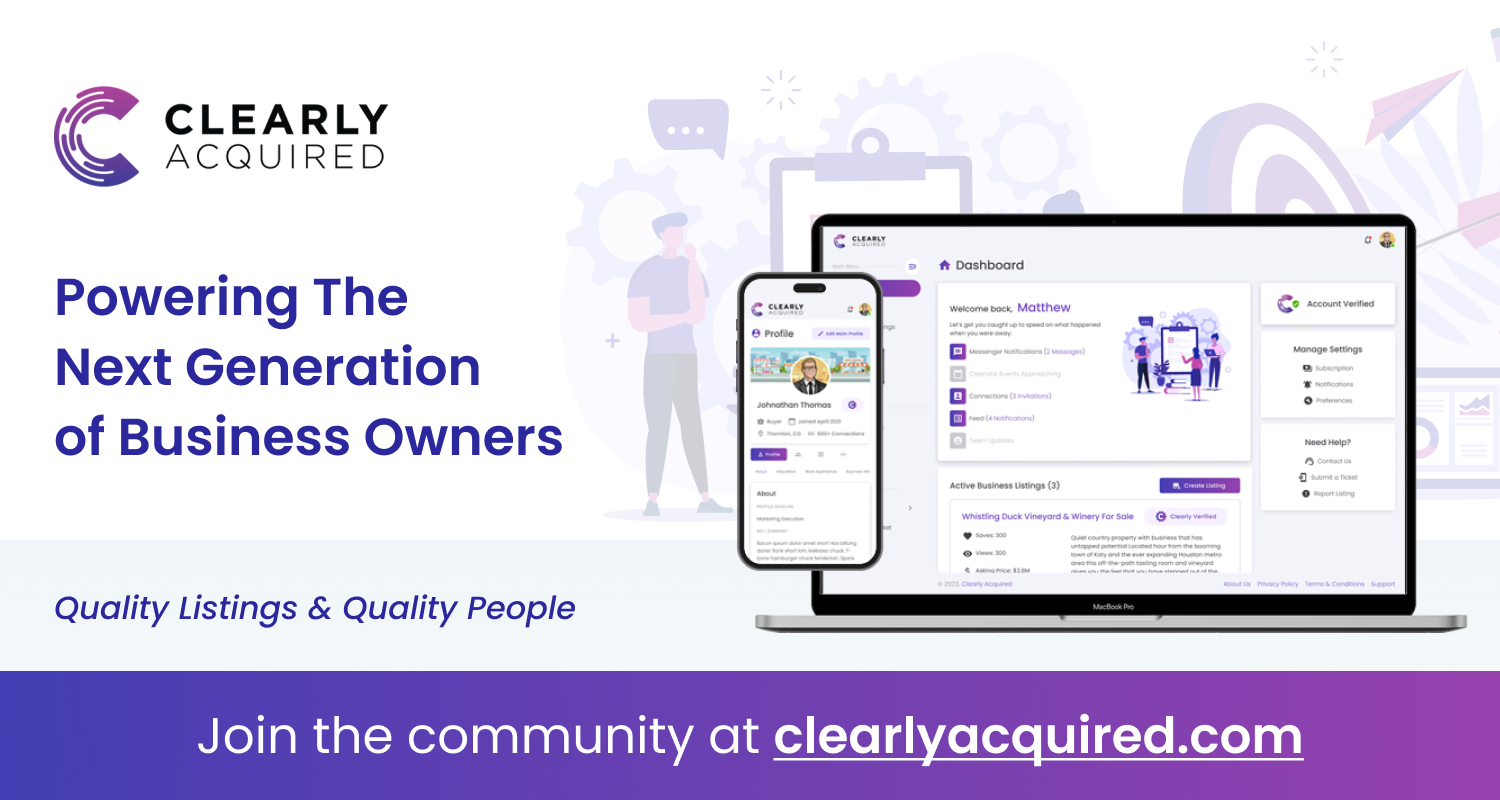
 Welcome to Clearly Acquired | Fund Growth. Acquire Quality. Close with Confidence.

 BizBen.com

 Viso Business Capital
 Trust Financing Solutions

 Crescent Capital
 Nikonomics

 Capital Markets Network
 Futurise Growth Partners | Exit Planning | Business Value Growth

 Niche Investor
 Capital for Entrepreneurs & Investors | Pacific Coast Alternatives
 Home | McGuireWoods Independent Sponsor Conference
 Wells Fargo

 Lended: Get SBA term sheets in 24 hours